
Descendants of Patrick Dargan/Dorgan and Johanna/Ann/Nancy/Anstice Flynn - Person Sheet
Descendants of Patrick Dargan/Dorgan and Johanna/Ann/Nancy/Anstice Flynn - Person Sheet
NameDavid D. DORGAN 
 , GG Uncle, M
, GG Uncle, MBirth Date7 Jan 1846
Birth PlaceBallybraher, Ballycotton, East County Cork, Ireland
MemoHouse 3
Bapt Date8 Jan 1846 Age: <1
Bapt PlaceBallymacoda & Ladysbridge
MemoSponsors: William Dorgan & Betty Leahy. Priest: P. Buckley. Alternative parish names Ballymacoda, Ballymacoda and Lady's Bridge, Lady's Bridge, Ladysbridge, Liscarroll and Churchtown. http://registers.nli.ie//registers/vtls000632385#page/1/mode/1up
Death Date13 Aug 1917 Age: 71
Death PlaceBallybraher, Ballycotton, East Cork, Ireland
Burial PlaceMogeely Cemetery, East Cork
Reside PlaceBallykilter, Cloyne, East County Cork, Ireland
MemoThe marriage record says Ballykilter. I am sure it is Carrigkilter. Jo Cashman says David lived at Ballybraher.
Census Date1901 Age: 54
Census PlaceBallybraher, Ballycotton, East County Cork, Ireland
Occu Memo1901 Census of Ireland: Farmer
Occupation1901: Farmer
ReligionRoman Catholic
FatherPatrick DARGAN (DORGAN) , M (~1820-<1882)
MotherJohanna (Ann) (Nancy) (Anstice) FLYNN , F (1817-1895)
Spouses
Birth Dateabt 1853
Birth PlaceBallybraher, Ballycotton, Parish of Cloyne, Co. Cork, Ireland
Death Date17 Nov 1925 Age: 72
Death PlaceBallybraher, Cloyne, East Cork, Ireland
Burial PlaceMogeely Cemetery, East Cork
Reside PlaceBallintowtas, Midleton, East County Cork
MemoThis was Elizabeth’s residence at the time of her marriage.
O MemoVintner
R MemoRoman Catholic
OccupationVintner
ReligionRoman Catholic
Alias/AKAElizabeth Ahearne; Bess; Elizabeth Mary Ahern
FatherWilliam AHERN (AHEARNE/AHERNE) AHERNE) , M
Marr Date21 Jun 1881
Marr PlaceChurch of St. Colman, Ballintotis, Midelton, County Cork, Ireland
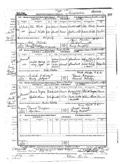
Marr MemoWitnesses: Joseph Terry and Mary Moore. Priest: Denis Lynch ,CC. Party 1 Name DAVID DORGAN-Party 2 Name ELIZA AHERN-Date of Event 21 June 1881-Group Registration ID 2694718-SR District/Reg Area Middleton.
St. Colman Chapel in Ballintowtas is not the same as St. Colman in Cloyne. This is a chapel located in Registrar’s District of Castlemartyr in the Union of Midleton, in the County of Cork.
St. Colman Chapel in Ballintowtas is not the same as St. Colman in Cloyne. This is a chapel located in Registrar’s District of Castlemartyr in the Union of Midleton, in the County of Cork.
Notes for David D. DORGAN
The marriage of David Dorgan and Elizabeth (Eliza) Ahern took place at the Roman Catholic Chapel of Ballintotis, Midleton, East County Cork:
http://oldballintotis.com/church.html
First name(s): Eliza
Last name: Ahern
Registration year: 1881
Registration quarter & year: Apr–Jun 1881
Registration district: Midleton
County: Cork
Country: Ireland
MarriageFinder™: Eliza Ahern married one of the following people: John Flood, Michael O'Leary, or David Dorgan.
Volume: 4
Page: 357
Record set: Irish Marriages 1845–1958
Category: Birth, Marriage, Death & Parish Records
Subcategory: Civil Marriage & Divorce
Collections from: Ireland
David Dorgan and Elizabeth Ahearne did not have children. However, David took in his sister Mary’s son, John Healy, and Elizabeth took in her sister’s daughter, Margaret Graham. John Healy and Margaret Graham were married by the time they arrived at David and Elizabeth’s farm in an arranged marriage. They had five children, none of whom married.
David Dorgan, the eldest son of Patrick Dargan and Ann Flynn and older brother of Patrick J. Dorgan, was recorded as the "Head of Household" in House No. 1, Carrigkilter, Ballycotton, County Cork, Ireland, according to the 1901 Irish Census. The household members, all identified as Roman Catholics, were David (48, farmer), his wife Elizabeth (48), farm servant Jeremiah Cronin (23), and general domestic servant Mary Hassett (22). This information was provided by Brendan Sisk of Castlemary, Cloyne, County Cork, Ireland, in an email dated 6 October 2000, based on his research using the microfilm copy of the 1901 census. The data was later confirmed following the release of the Census of Ireland in June 2010.
In the 1911 Census of Ireland, David D. Dorgan (60, farmer) and his wife Elizabeth (58) were living at House No. 2 in Carrigkilter (Ballycotton, County Cork), along with Ellen Mahony (20, general domestic servant) and James Flynn (13, boarder and scholar). The census suggests a possible connection between James Flynn and the family of Ann Flynn, who married Patrick Dargan. All members of the household were recorded as fluent in both Irish and English.
In the 1914 Guy’s Postal Directory, David Dorgan is listed as a resident of Cloyne, and his wife, Elizabeth, is recorded as Mrs. Dorgan, Vintner.
Although they had no biological children, David Dorgan and Elizabeth Ahearne showed their strong sense of family by taking in relatives. They provided a home for John Healy, the son of David's sister, Mary Dorgan-Healy, and for Margaret Graham, the daughter of Elizabeth's sister. Both John Healy and Margaret Graham were already married when they came to live on David and Elizabeth’s farm as part of an arranged marriage. John and Margaret went on to have five children, none of whom married. I met three of their children when I visited in 2005.
**N.B.: Additional note regarding the marriage of David Dorgan and Elizabeth Ahern:**
The marriage between Elizabeth Ahern and David Dorgan was arranged. Their families were neighboring farmers, with the Dorgan farm in Carrigkilter and the Ahern farm in Ballybraher. As previously noted, because they did not have biological children, Elizabeth and David welcomed two relatives to their farm: Margaret Grahame, Elizabeth’s niece, and John Healy, David’s nephew. The marriage between Margaret and John was also arranged, and they were wed before moving in with Elizabeth and David. These carefully arranged marriages played a vital role in keeping the Carrigkilter and Ballybraher properties within the family for generations. Notably, none of the five children of Margaret and John married, and none had children.
The ancestral Dorgan property at Carrigkilter has changed ownership several times, with the most recent known owner being Daniel O’Connell, who resides in House Three next to David Dorgan’s property. Documentation of this sale is still pending confirmation. The Ahern property at Ballybraher, which includes extensive landholdings, remains within the family and is currently owned by the O’Brien family.
David Dorgan found his final resting place in Mogeely Cemetery, commemorated by a headstone inscribed with, "Erected by Elizabeth to the Memory of David her husband who died in August 1917." David, aged 64 at the time of his passing, succumbed to pneumonia, with John Aherne present at his death, possibly Elizabeth’s brother (as indicated by 4439319.pdf (irishgenealogy.ie).
Here is the baptism record of David Dorgan:
• First name(s): David
• Last name: Dorgan
• Birth year: –
• Baptism year: 1846
• Baptism date: 08 Jan 1846
• Parish: Ballymacoda and Ladysbridge
• Alternative parish names: Ballymacoda; Ballymacoda and Lady's Bridge; Lady's Bridge; Ladysbridge; Liscarroll; Churchtown
• Diocese: Cloyne
• County: Cork
• Country: Ireland
• Father's first name(s): Patrick
• Father's last name: Dorgan
• Mother's first name(s): Nancy
• Mother's last name: Flynn
• Repository: National Library of Ireland
• National Library of Ireland link
The birth year is off by three years, but this may be the death record of David Dorgan:
Name: David Dorgan
Event Type: Death
Event Date: Jul–Sep 1917
Event Place: Middleton, Ireland
Registration Quarter and Year: Jul–Sep 1917
Registration District: Middleton
Age: 68
Estimated Birth Year: 1849
Mother's Maiden Name: [not recorded]
Volume Number: 4
Page Number: 383
GS Film Number: 0101607
Digital Folder Number: 004201711
Image Number: 00148
Citation:
"Ireland Civil Registration Indexes, 1845–1958," database, FamilySearch (https://www.familysearch.org/ark:/61903/1:1:FR24-VP1: accessed 6 November 2023), entry for David Dorgan, 1917.
http://oldballintotis.com/church.html
First name(s): Eliza
Last name: Ahern
Registration year: 1881
Registration quarter & year: Apr–Jun 1881
Registration district: Midleton
County: Cork
Country: Ireland
MarriageFinder™: Eliza Ahern married one of the following people: John Flood, Michael O'Leary, or David Dorgan.
Volume: 4
Page: 357
Record set: Irish Marriages 1845–1958
Category: Birth, Marriage, Death & Parish Records
Subcategory: Civil Marriage & Divorce
Collections from: Ireland
David Dorgan and Elizabeth Ahearne did not have children. However, David took in his sister Mary’s son, John Healy, and Elizabeth took in her sister’s daughter, Margaret Graham. John Healy and Margaret Graham were married by the time they arrived at David and Elizabeth’s farm in an arranged marriage. They had five children, none of whom married.
David Dorgan, the eldest son of Patrick Dargan and Ann Flynn and older brother of Patrick J. Dorgan, was recorded as the "Head of Household" in House No. 1, Carrigkilter, Ballycotton, County Cork, Ireland, according to the 1901 Irish Census. The household members, all identified as Roman Catholics, were David (48, farmer), his wife Elizabeth (48), farm servant Jeremiah Cronin (23), and general domestic servant Mary Hassett (22). This information was provided by Brendan Sisk of Castlemary, Cloyne, County Cork, Ireland, in an email dated 6 October 2000, based on his research using the microfilm copy of the 1901 census. The data was later confirmed following the release of the Census of Ireland in June 2010.
In the 1911 Census of Ireland, David D. Dorgan (60, farmer) and his wife Elizabeth (58) were living at House No. 2 in Carrigkilter (Ballycotton, County Cork), along with Ellen Mahony (20, general domestic servant) and James Flynn (13, boarder and scholar). The census suggests a possible connection between James Flynn and the family of Ann Flynn, who married Patrick Dargan. All members of the household were recorded as fluent in both Irish and English.
In the 1914 Guy’s Postal Directory, David Dorgan is listed as a resident of Cloyne, and his wife, Elizabeth, is recorded as Mrs. Dorgan, Vintner.
Although they had no biological children, David Dorgan and Elizabeth Ahearne showed their strong sense of family by taking in relatives. They provided a home for John Healy, the son of David's sister, Mary Dorgan-Healy, and for Margaret Graham, the daughter of Elizabeth's sister. Both John Healy and Margaret Graham were already married when they came to live on David and Elizabeth’s farm as part of an arranged marriage. John and Margaret went on to have five children, none of whom married. I met three of their children when I visited in 2005.
**N.B.: Additional note regarding the marriage of David Dorgan and Elizabeth Ahern:**
The marriage between Elizabeth Ahern and David Dorgan was arranged. Their families were neighboring farmers, with the Dorgan farm in Carrigkilter and the Ahern farm in Ballybraher. As previously noted, because they did not have biological children, Elizabeth and David welcomed two relatives to their farm: Margaret Grahame, Elizabeth’s niece, and John Healy, David’s nephew. The marriage between Margaret and John was also arranged, and they were wed before moving in with Elizabeth and David. These carefully arranged marriages played a vital role in keeping the Carrigkilter and Ballybraher properties within the family for generations. Notably, none of the five children of Margaret and John married, and none had children.
The ancestral Dorgan property at Carrigkilter has changed ownership several times, with the most recent known owner being Daniel O’Connell, who resides in House Three next to David Dorgan’s property. Documentation of this sale is still pending confirmation. The Ahern property at Ballybraher, which includes extensive landholdings, remains within the family and is currently owned by the O’Brien family.
David Dorgan found his final resting place in Mogeely Cemetery, commemorated by a headstone inscribed with, "Erected by Elizabeth to the Memory of David her husband who died in August 1917." David, aged 64 at the time of his passing, succumbed to pneumonia, with John Aherne present at his death, possibly Elizabeth’s brother (as indicated by 4439319.pdf (irishgenealogy.ie).
Here is the baptism record of David Dorgan:
• First name(s): David
• Last name: Dorgan
• Birth year: –
• Baptism year: 1846
• Baptism date: 08 Jan 1846
• Parish: Ballymacoda and Ladysbridge
• Alternative parish names: Ballymacoda; Ballymacoda and Lady's Bridge; Lady's Bridge; Ladysbridge; Liscarroll; Churchtown
• Diocese: Cloyne
• County: Cork
• Country: Ireland
• Father's first name(s): Patrick
• Father's last name: Dorgan
• Mother's first name(s): Nancy
• Mother's last name: Flynn
• Repository: National Library of Ireland
• National Library of Ireland link
The birth year is off by three years, but this may be the death record of David Dorgan:
Name: David Dorgan
Event Type: Death
Event Date: Jul–Sep 1917
Event Place: Middleton, Ireland
Registration Quarter and Year: Jul–Sep 1917
Registration District: Middleton
Age: 68
Estimated Birth Year: 1849
Mother's Maiden Name: [not recorded]
Volume Number: 4
Page Number: 383
GS Film Number: 0101607
Digital Folder Number: 004201711
Image Number: 00148
Citation:
"Ireland Civil Registration Indexes, 1845–1958," database, FamilySearch (https://www.familysearch.org/ark:/61903/1:1:FR24-VP1: accessed 6 November 2023), entry for David Dorgan, 1917.
Notes for Elizabeth (Spouse 1)
In the 1855 Griffith’s Valuation of East Cork, three individuals with the surname Ahearn and one with the surname Ahearne are listed:
1. Johanna Ahearn (Shanagarry, Kilmahon, East Cork)
2. John Ahearn (Ballybraher, Kilmahon, East Cork)
3. John Ahearn (Monagurra, Kilmahon, East Cork)
4. James Ahearne (Shanagarry, Kilmahon, East Cork)
Based on the available information, it is believed that John Ahearn of Ballybraher was the father of Elizabeth Ahearne. The arranged marriage between Elizabeth Ahern and David Dorgan was facilitated by their parents, who were farmers with adjoining properties: the Dorgan property in Carrigkilter and the Ahern property in Ballybraher.
Below is the civil marriage registration for Elizabeth Ahern in 1881:
First name(s): Eliza
Last name: Ahern
Registration year: 1881
Registration quarter & year: Apr–Jun 1881
Registration district: Middleton
County: Cork
Country: Ireland
MarriageFinder™: Eliza Ahern married one of these people: John Flood, Michael O’Leary, or David Dorgan
Volume: 4
Page: 357
Record set: Irish Marriages 1845–1958
Category: Birth, Marriage, Death & Parish Records
Subcategory: Civil Marriage & Divorce
Collections from: Ireland
In the absence of biological children, Elizabeth and David brought two relatives to their farm: Margaret Grahame, the niece of Elizabeth Ahearne, and John Healy, the nephew of David Dorgan. Their marriage was also arranged, ensuring that the properties of Carrigkilter and Ballybraher remained within the extended family. Interestingly, none of the five children of Margaret Grahame and John Healy married or had children.
Elizabeth Ahern appears in the 1901 Census of Ireland, living at Carrigkilter with her husband, David Dorgan, and two servants:
Name: Elizabeth Dorgan
Gender: Female
Marital Status: Married
Age: 48
Birth Date: c. 1853
Birth Place: Co. Cork
Residence Date: 31 Mar 1901
House Number: 1
Residence Place: Carrigkilter, Ballycotton, Cork, Ireland
Relation to Head: Wife
Religion: Roman Catholic
Language Spoken: Irish and English
Literacy: Read and write
URL: http://www.census.nationalarchives.ie/pages/1901/C...Carrigkilter/1132770/
Household members:
- David Dorgan, 48, Head of Family
- Elizabeth Dorgan, 48, Wife
- Jeremiah Cronin, 23, Servant
- Mary Hassett, 22, Servant
Elizabeth Ahern also appears in the 1911 Census of Ireland, living at Carrigkilter with her husband, one servant, and one boarder:
Name: Elizabeth Dorgan
Gender: Female
Age: 58
Birth Year: c. 1853
Birth Place: Co. Cork
Residence Date: 2 Apr 1911
House Number: 2
Townland/Street: Carrigkilter
District: Ballycottin
County: Cork
Country: Ireland
Electoral District: Ballycottin
Literacy: Read and write
Language Spoken: Irish and English
Marital Status: Married
Years Married: 30
Inferred Marriage Date: 1881
Religion: Roman Catholic
Relationship: Wife
URL: http://www.census.nationalarchives.ie/pages/1911/C.../Carrigkilter/433124/
Household members:
- David D. Dorgan, 60, Head
- Elizabeth Dorgan, 58, Wife
- Ellen Mahony, 20, Servant
- James Flynn, 13, Boarder
The ancestral Dorgan property at Carrigkilter has been sold twice, whereas the ancestral Ahern property at Ballybraher, with its extensive land holdings, remains in the family.
1. Johanna Ahearn (Shanagarry, Kilmahon, East Cork)
2. John Ahearn (Ballybraher, Kilmahon, East Cork)
3. John Ahearn (Monagurra, Kilmahon, East Cork)
4. James Ahearne (Shanagarry, Kilmahon, East Cork)
Based on the available information, it is believed that John Ahearn of Ballybraher was the father of Elizabeth Ahearne. The arranged marriage between Elizabeth Ahern and David Dorgan was facilitated by their parents, who were farmers with adjoining properties: the Dorgan property in Carrigkilter and the Ahern property in Ballybraher.
Below is the civil marriage registration for Elizabeth Ahern in 1881:
First name(s): Eliza
Last name: Ahern
Registration year: 1881
Registration quarter & year: Apr–Jun 1881
Registration district: Middleton
County: Cork
Country: Ireland
MarriageFinder™: Eliza Ahern married one of these people: John Flood, Michael O’Leary, or David Dorgan
Volume: 4
Page: 357
Record set: Irish Marriages 1845–1958
Category: Birth, Marriage, Death & Parish Records
Subcategory: Civil Marriage & Divorce
Collections from: Ireland
In the absence of biological children, Elizabeth and David brought two relatives to their farm: Margaret Grahame, the niece of Elizabeth Ahearne, and John Healy, the nephew of David Dorgan. Their marriage was also arranged, ensuring that the properties of Carrigkilter and Ballybraher remained within the extended family. Interestingly, none of the five children of Margaret Grahame and John Healy married or had children.
Elizabeth Ahern appears in the 1901 Census of Ireland, living at Carrigkilter with her husband, David Dorgan, and two servants:
Name: Elizabeth Dorgan
Gender: Female
Marital Status: Married
Age: 48
Birth Date: c. 1853
Birth Place: Co. Cork
Residence Date: 31 Mar 1901
House Number: 1
Residence Place: Carrigkilter, Ballycotton, Cork, Ireland
Relation to Head: Wife
Religion: Roman Catholic
Language Spoken: Irish and English
Literacy: Read and write
URL: http://www.census.nationalarchives.ie/pages/1901/C...Carrigkilter/1132770/
Household members:
- David Dorgan, 48, Head of Family
- Elizabeth Dorgan, 48, Wife
- Jeremiah Cronin, 23, Servant
- Mary Hassett, 22, Servant
Elizabeth Ahern also appears in the 1911 Census of Ireland, living at Carrigkilter with her husband, one servant, and one boarder:
Name: Elizabeth Dorgan
Gender: Female
Age: 58
Birth Year: c. 1853
Birth Place: Co. Cork
Residence Date: 2 Apr 1911
House Number: 2
Townland/Street: Carrigkilter
District: Ballycottin
County: Cork
Country: Ireland
Electoral District: Ballycottin
Literacy: Read and write
Language Spoken: Irish and English
Marital Status: Married
Years Married: 30
Inferred Marriage Date: 1881
Religion: Roman Catholic
Relationship: Wife
URL: http://www.census.nationalarchives.ie/pages/1911/C.../Carrigkilter/433124/
Household members:
- David D. Dorgan, 60, Head
- Elizabeth Dorgan, 58, Wife
- Ellen Mahony, 20, Servant
- James Flynn, 13, Boarder
The ancestral Dorgan property at Carrigkilter has been sold twice, whereas the ancestral Ahern property at Ballybraher, with its extensive land holdings, remains in the family.
Notes for David D. & Elizabeth (Family)
Name: Elizabeth Mary Ahern
Event Type: Marriage
Event Date: Jul - Sep 1887
Event Place: Cork, Ireland
Registration Quarter and Year: Jul - Sep 1887
Registration District: Cork
Age:
Birth Year (Estimated):
Mother's Maiden Name:
Volume Number: 5
Page Number: 100
GS Film number: 101255
Digital Folder Number: 004179726
Image Number: 00366
Citing this Record:
"Ireland Civil Registration Indexes, 1845-1958," database, FamilySearch (https://familysearch.org/ark:/61903/1:1:FYWY-Y4S: 4 December 2014), MARRIAGES entry for Elizabeth Mary Ahern; citing Cork, Jul - Sep 1887, vol. 5, p. 100, General Registry, Custom House, Dublin; FHL microfilm 101,255.
Here are two websites depicting St. Colman Church in Ballintotis:
https://www.buildingsofireland.ie/buildings-search/building/20907709/saint-colmans-roman-catholic-church-farrantrenchard-ballintotis-county-cork
and
http://old-ballintotis.com/church.html
I had never heard of Ballintotas/Ballintotis. Here’s a short history of that placename:
http://oldballintotis.com/is-or-as.html
Many people are puzzled by the different spellings of the place name. The signpost on the road between Midleton and Castlemartyr clearly reads Ballintotis, but the history of the district which was published in 1992 spells the name Ballintotas. Which is the correct spelling? A further and more difficult question is what does it mean? Or you might ask about the derivation of the word. Is it Irish, English, or French? Place names change with time and it is not always easy to find what is the oldest version of the place name.
In 1894 Canon Hutch P.P. Midleton got a set of special station books printed and printed prominently in one for the district Ballintwolas. At first, one might think this was a mistake. But somebody going to a printer to get a book printed would surely ensure to have the title correct. Canon Hutch was a Doctor of Divinity and a learned man. It is the name of a townland in what was Ballyoughtera Civil Parish, a townland with a Castle on it for many centuries, and after the Penal Laws, it also had a Church and a school. In 1839 when the present Church was built, in the town-land of Farrantrenchard, it still retained the name of Ballintotas Church. The new school built in 1898 is rightly called Ballintotas School because it is situated in the town-land of Ballintotas and has a nameplate over the main door with the spelling Ballintotas.
The castle is marked on the first Ordnance Survey Map which was printed in 1841 and is named Ballintotis Castle. Griffith's valuation based on that ordnance survey uses the spelling "Ballintotis" invariably.
In 1837 Samuel Lewis in his Topographical Dictionary of Ireland and in which he describes every Civil Parish in Ireland, stated that the "ruined castle of Ballintowlas" stood in the Civil Parish of Ballyoughtera. This is an indication that Canon Hutch had grounds for what he got printed in 1894.
Among Lord Midleton's Papers is an old Rent Roll of Midleton Estate which has survived from 1747. It is entitled "A Rent Roll of Glashy and Ballintotas".
In the National Library in Dublin is a box of manuscripts given in by Mrs. Bell of Fota and it has an interesting post-marriage settlement dated 1678 and it refers to the property of Walters or Waters and it enumerates in that property the plow lands of Ballytawles alias Ballytawlesig, with Ballyedikin, Gourtenina, and Attinoge. The Norman-French family, des Autres, (later Waters of Walters) inherited that part of Imokilly from Robert Fitzstephen which included Ballyogy i.e. Ballintotas.
When the good land was being "planted" after Cromwell's invasion it was surveyed in the Down Survey in 1656 and two town-lands in particular were easily identified. They were Killurgane (Killorga) and Ballytotas.
An Inquisition was held in April 1639 to find out the extent of the property of John FitzEdmond Fitzgerald of Ballymartyr (Castlemartyr) and his property included Caherultan an Ballintaltas or Saltstown.
An early Map of Imokilly, that of John Speed dated 1590, gave the name of the Castle as B.totas.
Finally, Paul McCotter and Kenneth Nicholls in a note in their edition of The Pipe Roll of Cloyne, stated that in the early 17th century the place name appeared in the forms of Ballintawltes, Ballintantesy, Saltstown, and Sauteston. "The 14th-century possession of Ballyogy by the des Autres family suggests a derivation of Baile an tAiteirs for Ballintotis". The oldest people living in the area, who went to school in the area spell it Ballintotas so for at least ninety years local people have been spelling it Ballintotas. (from the Parish Bulletin 2001 by Canon Berti Troy)
Event Type: Marriage
Event Date: Jul - Sep 1887
Event Place: Cork, Ireland
Registration Quarter and Year: Jul - Sep 1887
Registration District: Cork
Age:
Birth Year (Estimated):
Mother's Maiden Name:
Volume Number: 5
Page Number: 100
GS Film number: 101255
Digital Folder Number: 004179726
Image Number: 00366
Citing this Record:
"Ireland Civil Registration Indexes, 1845-1958," database, FamilySearch (https://familysearch.org/ark:/61903/1:1:FYWY-Y4S: 4 December 2014), MARRIAGES entry for Elizabeth Mary Ahern; citing Cork, Jul - Sep 1887, vol. 5, p. 100, General Registry, Custom House, Dublin; FHL microfilm 101,255.
Here are two websites depicting St. Colman Church in Ballintotis:
https://www.buildingsofireland.ie/buildings-search/building/20907709/saint-colmans-roman-catholic-church-farrantrenchard-ballintotis-county-cork
and
http://old-ballintotis.com/church.html
I had never heard of Ballintotas/Ballintotis. Here’s a short history of that placename:
http://oldballintotis.com/is-or-as.html
Many people are puzzled by the different spellings of the place name. The signpost on the road between Midleton and Castlemartyr clearly reads Ballintotis, but the history of the district which was published in 1992 spells the name Ballintotas. Which is the correct spelling? A further and more difficult question is what does it mean? Or you might ask about the derivation of the word. Is it Irish, English, or French? Place names change with time and it is not always easy to find what is the oldest version of the place name.
In 1894 Canon Hutch P.P. Midleton got a set of special station books printed and printed prominently in one for the district Ballintwolas. At first, one might think this was a mistake. But somebody going to a printer to get a book printed would surely ensure to have the title correct. Canon Hutch was a Doctor of Divinity and a learned man. It is the name of a townland in what was Ballyoughtera Civil Parish, a townland with a Castle on it for many centuries, and after the Penal Laws, it also had a Church and a school. In 1839 when the present Church was built, in the town-land of Farrantrenchard, it still retained the name of Ballintotas Church. The new school built in 1898 is rightly called Ballintotas School because it is situated in the town-land of Ballintotas and has a nameplate over the main door with the spelling Ballintotas.
The castle is marked on the first Ordnance Survey Map which was printed in 1841 and is named Ballintotis Castle. Griffith's valuation based on that ordnance survey uses the spelling "Ballintotis" invariably.
In 1837 Samuel Lewis in his Topographical Dictionary of Ireland and in which he describes every Civil Parish in Ireland, stated that the "ruined castle of Ballintowlas" stood in the Civil Parish of Ballyoughtera. This is an indication that Canon Hutch had grounds for what he got printed in 1894.
Among Lord Midleton's Papers is an old Rent Roll of Midleton Estate which has survived from 1747. It is entitled "A Rent Roll of Glashy and Ballintotas".
In the National Library in Dublin is a box of manuscripts given in by Mrs. Bell of Fota and it has an interesting post-marriage settlement dated 1678 and it refers to the property of Walters or Waters and it enumerates in that property the plow lands of Ballytawles alias Ballytawlesig, with Ballyedikin, Gourtenina, and Attinoge. The Norman-French family, des Autres, (later Waters of Walters) inherited that part of Imokilly from Robert Fitzstephen which included Ballyogy i.e. Ballintotas.
When the good land was being "planted" after Cromwell's invasion it was surveyed in the Down Survey in 1656 and two town-lands in particular were easily identified. They were Killurgane (Killorga) and Ballytotas.
An Inquisition was held in April 1639 to find out the extent of the property of John FitzEdmond Fitzgerald of Ballymartyr (Castlemartyr) and his property included Caherultan an Ballintaltas or Saltstown.
An early Map of Imokilly, that of John Speed dated 1590, gave the name of the Castle as B.totas.
Finally, Paul McCotter and Kenneth Nicholls in a note in their edition of The Pipe Roll of Cloyne, stated that in the early 17th century the place name appeared in the forms of Ballintawltes, Ballintantesy, Saltstown, and Sauteston. "The 14th-century possession of Ballyogy by the des Autres family suggests a derivation of Baile an tAiteirs for Ballintotis". The oldest people living in the area, who went to school in the area spell it Ballintotas so for at least ninety years local people have been spelling it Ballintotas. (from the Parish Bulletin 2001 by Canon Berti Troy)